There was a recent discussion in The Hub @ Stamp SCHOOL (https://stampschool.stamps.org/main/groups/132438/lounge) about the declining membership for young people in stamp clubs. The discussion centered about thoughts that folks had on attracting more of the current generation to stamping. I answered with some thought off the top of my head but wanted to share here as well. I see a few directions to go here…
1
Young people don’t really use stamps or post offices. They are from an all digital era…so, even email is a bit slower for them now. It is about social media, What’s App, and mobile communications. So, stamp organizations need to establish a presence in these spots and share the wonderful things going on in the stamping world. Even LinkedIn is great for organizational pages, news, and announcements. Most people are on LinkedIn but the platform is also being used to learn in addition to find jobs. Other outlets like Substack and Medium are options for individual member to host newsletters about their stamping hobbies.
2
Start educating young people early. Library, school and college initiatives to partner on education would help greatly here. As a kid, I was an avid library patron and lived in the shelves. There I learned about and fell in love with stamp collecting. Stamping associations need to have strong education programs and partnerships. History programs in schools could use stamping activities.
Below are some promising initiatives and institutions where stamp collecting organizations can partner to promote educational engagement—especially for young or beginner audiences.
- ALA School-Public Library Partnerships
The American Library Association (ALA), through its ALSC/YALSA/AASL collaboration, offers toolkits and resources for joint programming between public and school libraries. These partnerships are ideal for introducing stamp collecting as a cross-disciplinary activity—blending history, geography, and art.
Link: ALA School-Public Library Toolkit - Cultural Ecology’s Postcard & Stamp Education Model
This initiative explores how postcard networks and stamp collecting can foster learning in geography, history, and cultural studies. It encourages schools and colleges to use stamps as primary sources and visual storytelling tools.
Link: Postcard Networks & Stamp Collecting - American Philatelic Society (APS) Educational Outreach
APS offers extensive educational programs, including curriculum guides, youth stamp clubs, and access to one of the world’s largest philatelic libraries. They actively support partnerships with schools, libraries, and universities to promote stamp collecting as a gateway to history, design, and global awareness. Members should plan to help out with these groups as much as possible.
Link: APS Education & Outreach
3
A generational program between current stamp collectors and new, younger would-be collectors would be nice. A mentorship program for those young people who want to learn….discounts to attend a show or the stamping camp for those young people with parents who have stamp memberships would be helpful.
4
I personally like the direction of digital stamp collecting for those who cannot afford stamp supplies in terms of money or even time. Here are two digital stamp collecting platforms that are especially friendly for young people or beginners just getting into the hobby –
- StampWorld (https://www.stampworld.com) is a great starting point—it offers a massive online catalog, simple tools for organizing collections, and a user-friendly interface that’s ideal for learning the basics of stamp identification and global issues.
- Colnect (https://www.colnect.com/en/stamps) is perfect for young collectors who want to explore multiple types of collectibles. It features AI-powered stamp recognition, easy-to-use wishlists, and a trading system that encourages safe, beginner-friendly exchanges.
5
I like reading about the connection between stamping and media like television and movies. Digital stamp collecting is gaining traction through platforms like StampWorld (https://www.stampworld.com), which offers cataloging and community features, and Crypto Stamps by Austrian Post (https://crypto.post.at), which blend physical stamps with blockchain-based NFTs. Media coverage of the stamp market’s projected growth—expected to surpass $230 million by 2031—is featured in outlets like GlobeNewswire (https://www.globenewswire.com/news-release/2023/10/03/2749935/0/en/Stamp-Collecting-Market-Size-to-Reach-USD-231-7-Million-by-2031.html), highlighting how digital engagement and rare releases are driving interest. Virtual exhibitions like Stampex International (https://www.stampexinternational.com) now offer livestreamed talks and digital showcases, making stamp collecting more accessible and media-integrated. These trends show how philately is slowly becoming more media-savvy.
6
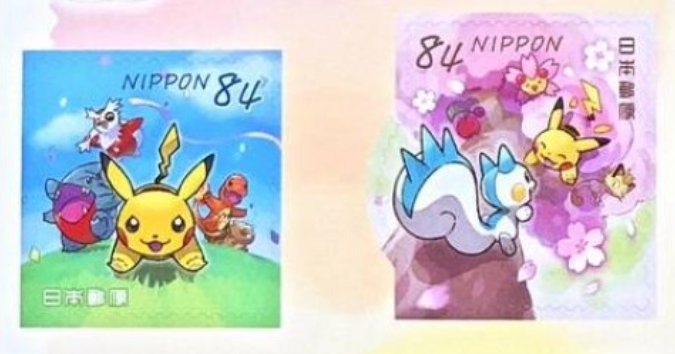
Keep in mind that young people do collect things. Younger generations, sports trading cards for soccer, NFL, NBA are popular; Yu-Gi-Oh!, Pokeman, Minecraft, etc. Anything related to pop culture like Marvel comics, musicians, movies, environment, sustainability, etc. is of interest. So, anyway to connect stamping to these areas are great for young people.
To summarize the directions above, we need to make stamping –
- more flexible in ways to collect
- more tech-savvy
- more media-integrated
- connect history to the current


 State of Stamp Collecting
Leave a comment